Rêve En Vert
Rêve En Vert

Rêve En Vert
Food & Garden
The Best Fish To Eat for Healthy Humans and Healthy Oceans
Our co-founder Cora Hilts moved home to the coast of Maine a couple of years ago, and ever since then she has been highly conscious of the fishing and seafood industries as they play such a huge role in Maine’s economy and wider food systems. Here she shares her guide to how she thinks about consuming it!
Best Fish to Eat: A Sustainable Guide to Healthy and Responsible Seafood Choices
If you’re wondering about the best fish to eat, the answer depends on three things: nutrition, sustainability, and sourcing. The healthiest fish for your body should also be the healthiest choice for the planet.
In this guide, we break down the best fish to eat for protein, omega-3s, low mercury levels, and minimal environmental impact — plus how to shop responsibly.
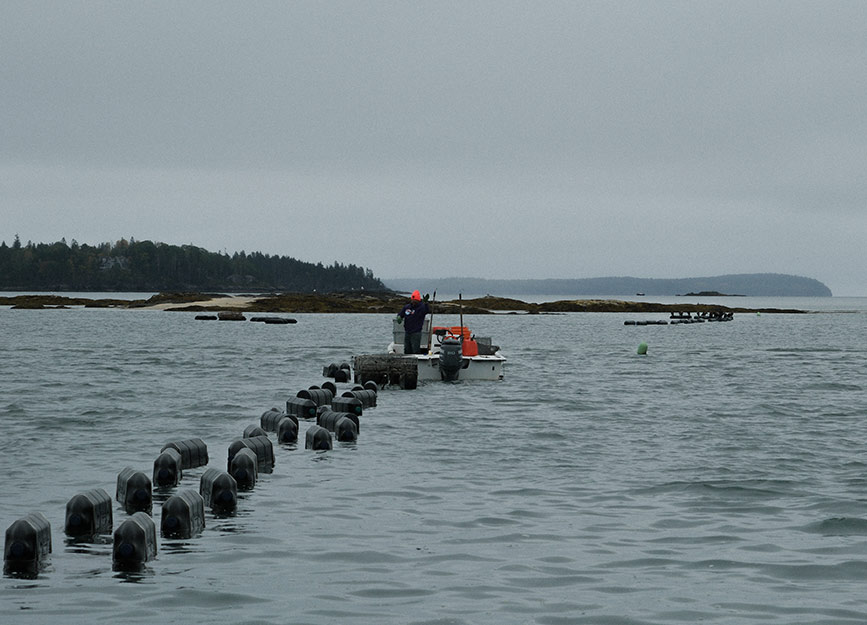
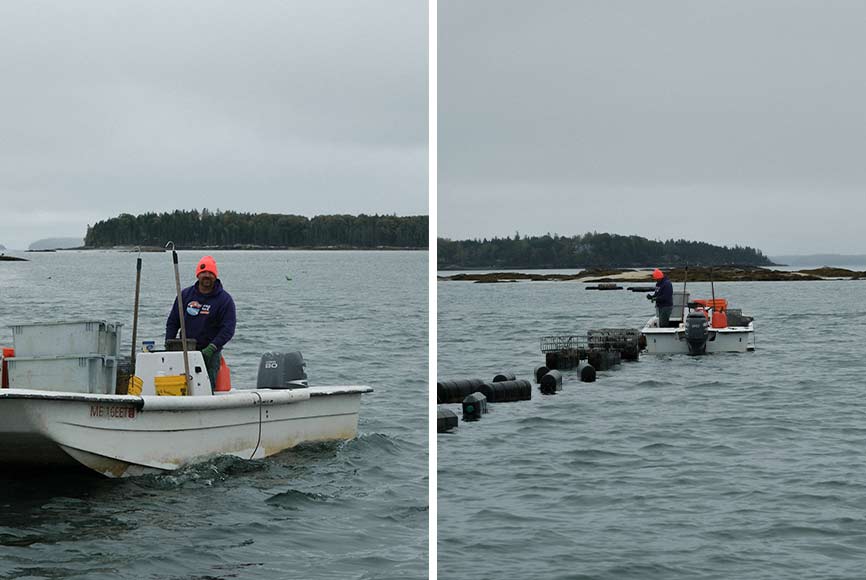
Also, I know it doesn’t technically count as seafood, but one thing I want to encourage you to think about adding to your diet is kelp which is a complete wonder for ocean and human health! I tend to buy as much as I can from this local Maine company, Atlantic Sea Farms, that you can buy all over the US! I will be including them below but why I love them is because their farming positively impacts the economic and environmental health of our coastal communities. This nutrient dense, climate-hero seaweed is rope-grown and hand harvested by family sea-farmers in New England. By farming seaweed in their off-season from fishing, these families are leading the fight against climate change and building a more resilient food future for all of us, all while protecting their livelihoods and improving ocean health. It’s a company I feel passionately about supporting!
Why Are Conventional Fishing And Seafood Industries Considered So Harmful?
We are becoming increasingly aware of the harmful practices of conventional fishing – if you haven’t yet watched the documentary Seaspiracy we really recommend that you do to learn more! A few things we learned from that very eye-opening film….
FISHING HAS WIPED OUT 90% OF THE WORLD’S LARGE FISH.
INDUSTRIAL FISHING IS THE GREATEST THREAT TO MARINE WILDLIFE.
300,000 DOLPHINS, WHALES & PORPOISES ARE KILLED BY FISHING OPERATIONS PER YEAR.
LONGLINE BOATS SET ENOUGH FISHING LINE IN ONE DAY TO WRAP THE EARTH 500X.
70% OF MACRO PLASTIC AT SEA COMES FROM FISHING GEAR.
BOTTOM TRAWLING RELEASES AS MUCH CARBON AS AIR TRAVEL.
24,000 FISHERIES WORKERS DIE ON THE JOB PER YEAR.
Given these shocking statistics, we know that the current state of the fishing industry is not sustainable for marine life, for the oceans, and for human and planetary health. That being said, there are wonderful small fisheries and solutions that are here to help us enjoy the nutritional benefits of fish and seafood sustainably so we are here to share them and encourage our community to make some changes to help the state of our beautiful seas and sea life!
What Is the Best Fish and Seafood to Eat Overall?
The best seafood to eat overall is sardines, Atlantic mackerel, oysters, mussels, clams and farmed U.S. rainbow trout.
These fish rank highly because they:
Are rich in omega-3 fatty acids
Are lower in mercury
Are sustainably managed or responsibly farmed
Have lower environmental impact compared to larger predatory fish
We are huge proponents of using more small fish in our cooking, and opting out of ordering fish we know aren’t always harvested sustainably when we are out. Salmon, tuna and cod are all culprits here and could use a bit of a break in terms of popularity!
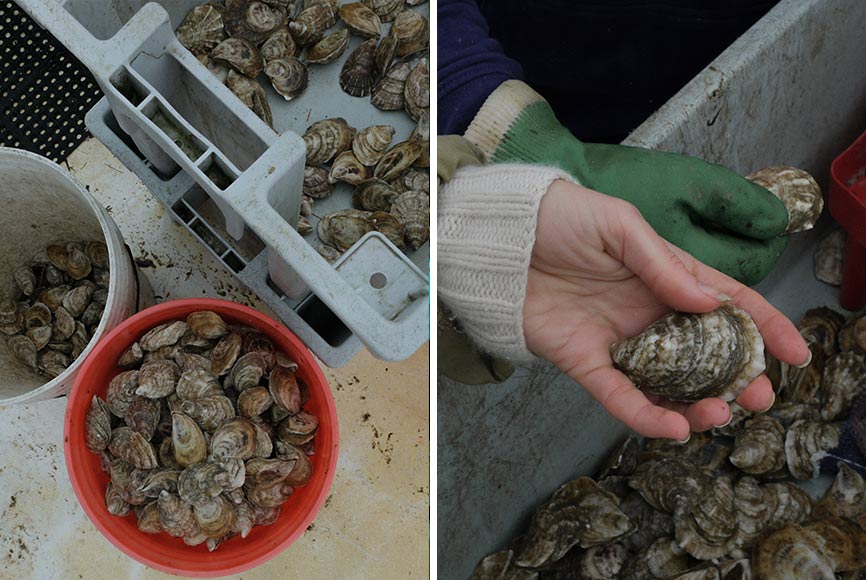
Best Fish and Seafood to Eat for Health
When choosing fish and seafood for nutrition, focus on high omega-3 content, lean protein, and low contaminants. The below are my favorite choices to search for and prepare at home, and all of them are either very easy on the ocean when farmed or can actually help it!
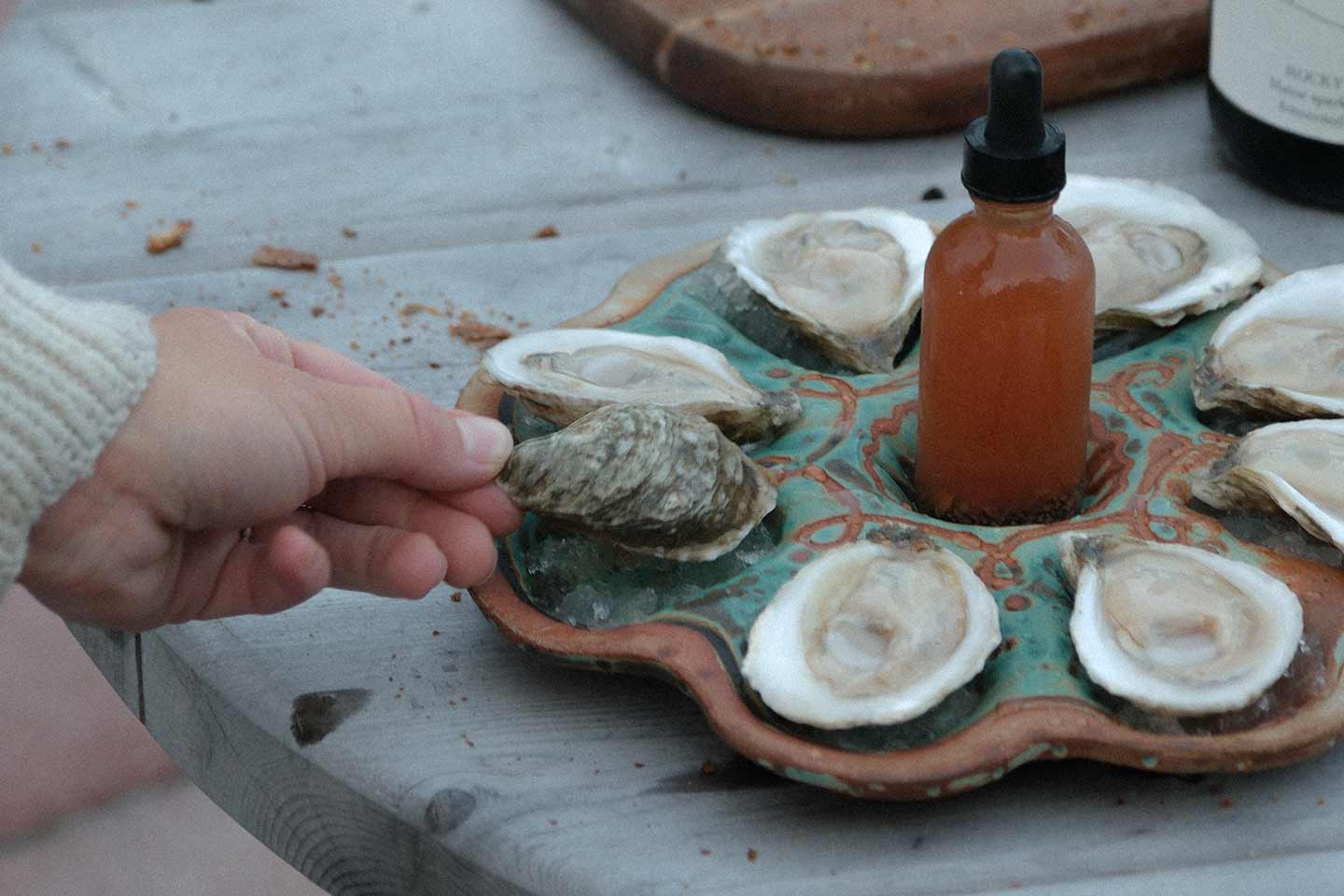
1. Oysters
Oysters are particularly high in vitamin B12, zinc, iron, and selenium.
Excellent protein source
Sustainably managed oyster farms help clean the water
They are low in calories and contain all nine essential amino acids.
2. Sardines
One of the most nutrient-dense fish available
High in calcium (if eaten with bones)
Very low in mercury
Short lifecycle = highly sustainable
3. Atlantic Mackerel
Rich in heart-healthy fats
Low mercury
Fast-growing species = lower environmental strain.
4. Rainbow Trout (U.S.-Farmed)
Responsibly farmed in controlled systems
High in protein and B vitamins
Lower environmental impact than many imported farmed fish
5. Maine Lobster
Lean, mild, versatile
Well-managed fisheries in the U.S.
Good lower-fat option
Lobster contains high amounts of copper, which can cure anemia, alleviate symptoms, and improve iron levels.
6. Mussels
Nutritionists laud mussels for a trifecta of nutrients—vitamin B-12, iron, and omega-3 fatty acids.
Mussels are low fat, and while they do contain cholesterol, it’s monounsaturated, which can actually help lower blood cholesterol.
Selenium for healthy, glowing skin.
Not only do mussels do their hard work in the water, but the amount of greenhouse gas emissions required to produce mussels are incredibly low. Mussel shells also capture carbon in the atmosphere, making them extremely eco-friendly superfoods.
7. Kelp (I know it’s not seafood but still!)
Seaweed is one of the best food sources of iodine. Iodine is needed to make thyroid hormones that help regulate metabolism.
Kelp contains anti-inflammatory compounds and antioxidants along with cholesterol-lowering soluble fiber, all important for heart health.
It contains the amino acid glutamine which helps reduce inflammation and supports overall gut health.
Seaweed farms improve ocean health by removing excess carbon and locally mitigating effects of ocean acidification.
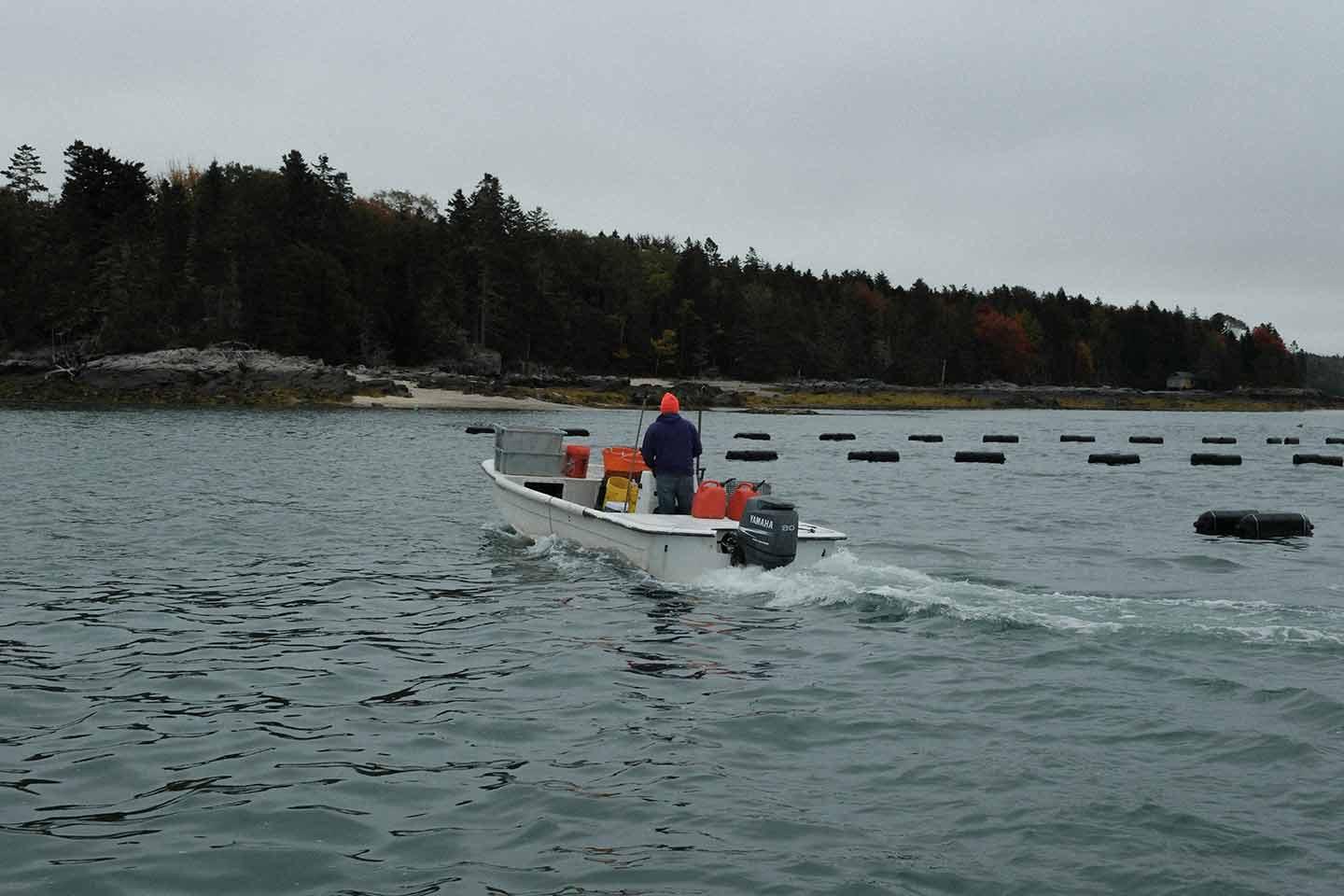
Cora’s Own Sustainable Seafood Strategy
Rather than eating the same popular fish repeatedly, consider:
-
Rotating species
-
Choosing smaller fish lower on the food chain
- Opt for quality over quantity – make sure you are buying fish that is as local to you as possible when larger, and a good quality tinned fish like Patagonia Provisions.
-
Eating seafood a few times a month as a treat, rather than a staple in your diet.
-
Incorporating plant-based omega-3 sources (flax, chia, walnuts) alongside fish so you aren’t relying on that solely.
Diversifying your seafood choices reduces pressure on specific species and supports healthier marine ecosystems.

A Few Easy Recipes for Small Fish to start with:
We know that choosing small fish when they have not been staples of the American diet can be difficult, especially knowing what to cook with them! Here are a few of our favorite ways to work with things like sardines and mackerel that get all of the health benefits and a bit of flavor.
Julius Roberts Pissaladiere with Anchovies
Ina Garten’s Mussels in White Wine
Dan Buettner’s Dashi Broth with Kelp

Frequently Asked Questions (FAQ)
What is the healthiest fish to eat?
Wild-caught salmon and sardines are considered the healthiest fish to eat because they are high in omega-3 fatty acids, low in mercury, and sustainably managed.
What fish should I avoid eating?
Avoid high-mercury fish such as swordfish, shark, king mackerel, and tilefish. Also limit overfished species like bluefin tuna unless certified sustainable.
Is farmed fish bad for you?
Not necessarily. Responsibly farmed fish, especially from the U.S., can be safe, nutritious, and environmentally responsible. The quality depends on farming practices.
How often should you eat fish?
Most health organizations recommend eating fish 2–3 times per week, focusing on low-mercury, omega-3 rich varieties.
What is the most environmentally friendly fish to eat?
Sardines, anchovies, wild Alaskan salmon, and U.S.-farmed shellfish are among the most environmentally friendly seafood choices.
Final Thoughts: The Best Fish to Eat Is One You Can Feel Good About
The best fish to eat balances personal health with planetary health. Choosing nutrient-dense, low-mercury, sustainably sourced fish supports heart health while protecting ocean ecosystems.
When in doubt:
-
Choose smaller fish
-
Choose certified sources
-
Choose variety over repetition
Sustainable seafood isn’t about restriction — it’s about making informed, responsible choices that nourish both you and the oceans.