Parenting & Baby
Jordan’s Favorite Critical Thinking Activities for Kids
In a world that’s changing faster than ever, teaching kids to think critically isn’t just a classroom goal — it’s a lifelong skill. Critical thinking helps children move beyond memorizing facts and encourages them to ask why, how, and what if. These activities help nurture creativity, reasoning, and confidence — essential skills for growing minds. We focus on fort building, which is a favorite in our home, then I offer some other critical thinking activities for kids at the end that should inspire you even further!
Fort Building ~ A Critical Thinking Activity for Kids
In our modern, uncertain world, it is essential to teach our children to think critically and independently. Critical thinking is simply developing the ability to ask why, how, and what if. With a little inspiration, we can create environmentally cautious, inexpensive, simple activities in our homes to encourage Critical Thinking Activities for our Kids. One of my favorite ways to encourage confidence and problem-solving is fort building. I hope to guide you in creating this imaginative activity in your own home.
Critical Thinking Matters!
Critical thinking empowers our children to:
- Build confidence
- Imagine and Create
- Develop resilience and empathy
- Strengthen decision-making
.
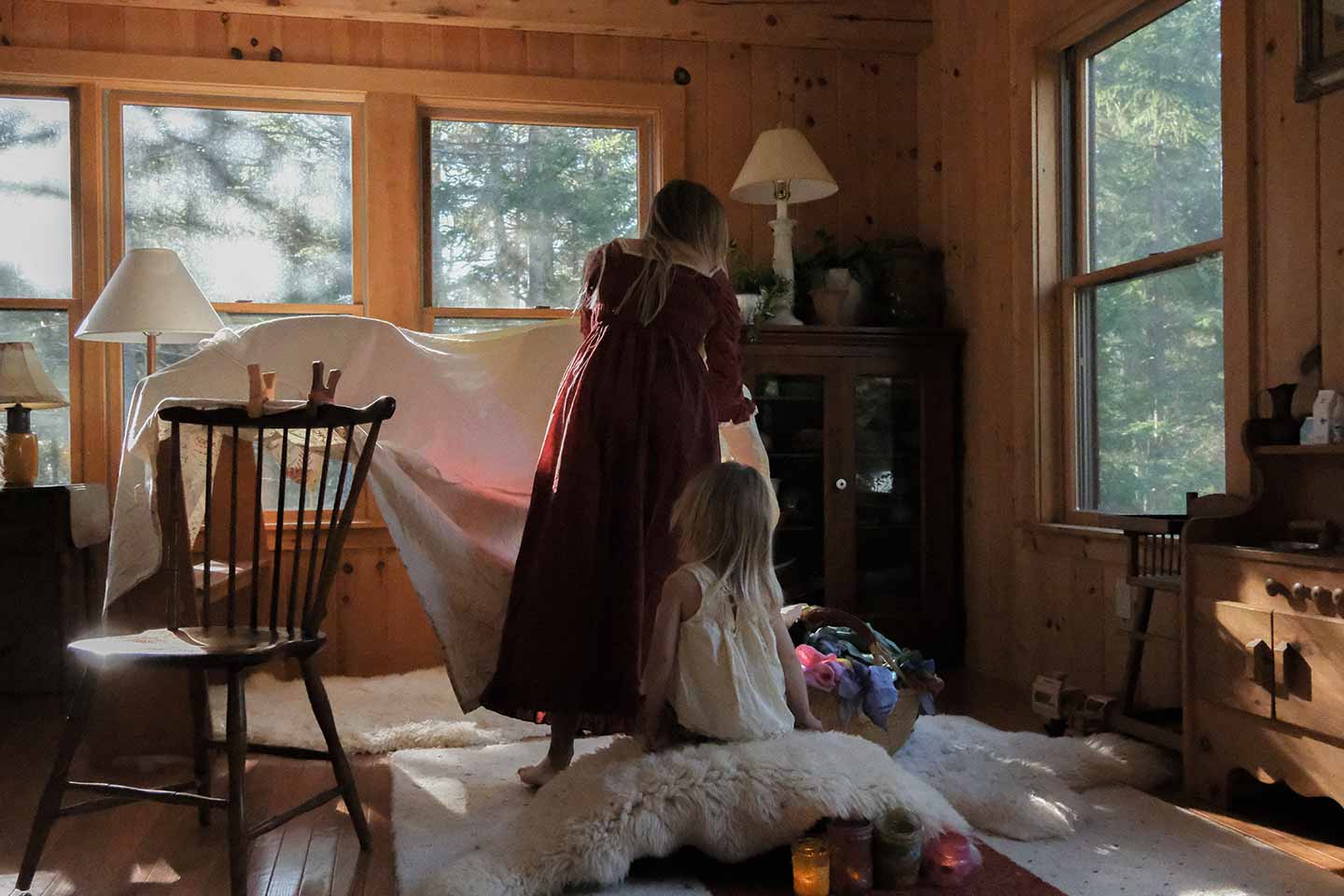
Fort Building ~ A Meaningful, Critical Thinking Activity for Kids
Our wee ones are literally creating their own physical bodies. When we offer children the materials and freedom to make houses and structures, we are allowing them to mirror this lived experience of growing into one’s own body. At our home, we value fort and house building as a critical thinking activity that can be done indoors or outdoors. We love using simple, eco-friendly materials and creating layouts that encourage our children to blossom and problem solve.
With a small amount of materials, freedom, and the right motivation, a child can transform a kitchen or a closet into a sturdy and creative fort. The materials and amount of support we provide for our children determine the expansion of their critical thinking. Critical thinking helps young children learn how to solve problems, empowering them to make thoughtful decisions. It nurtures curiosity, independence, and confidence, laying the foundation for lifelong learning. I am always surprised at how strong, smart, and able my own children are! They are imaginative thinkers and able to make thoughtful decisions and choices, using their free thinking skills to make structures using little materials.
To inspire fort building with my littles, I like to tell them a story or read them a book about imaginative building.
I recommend stories like Roxaboxen by Alice McLerran.
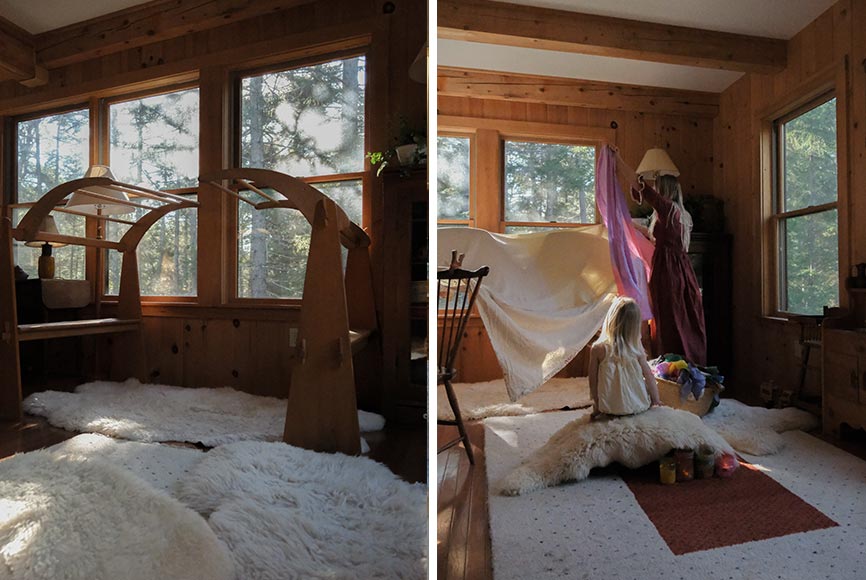
How to Create an Imaginative Fort Building Activity
Materials for Curating Critical Thinking Fort Building ~
Freedom
Clothespins or fort clips
Sheets
Silks
Movable furniture like chairs and stools
Short Rope
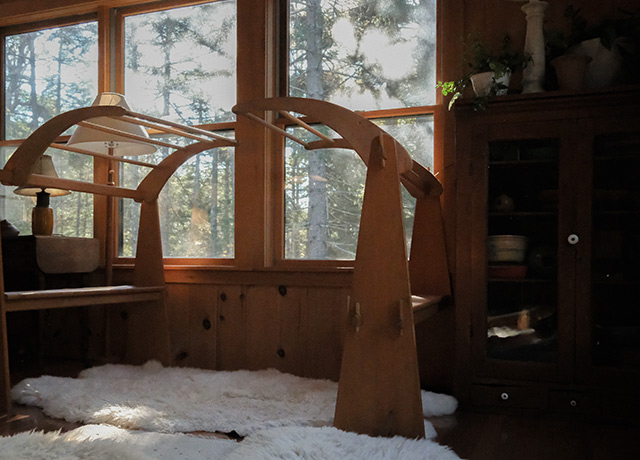
Play Stands wonderful, but optional
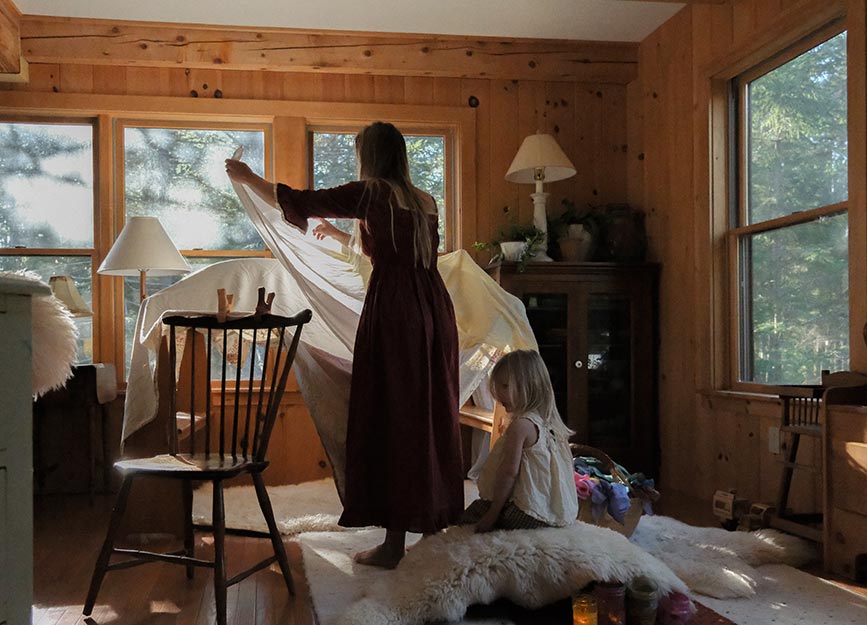
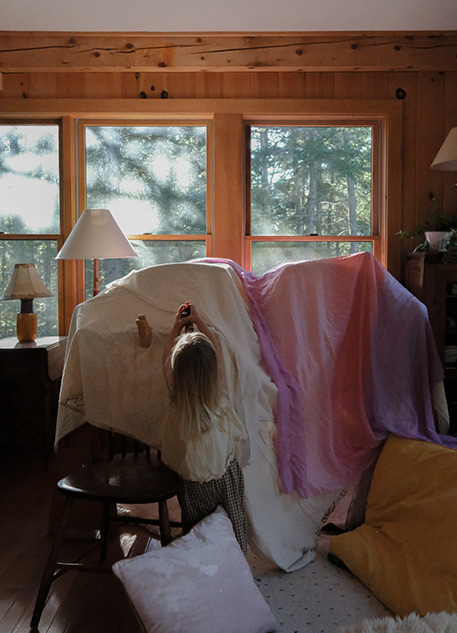
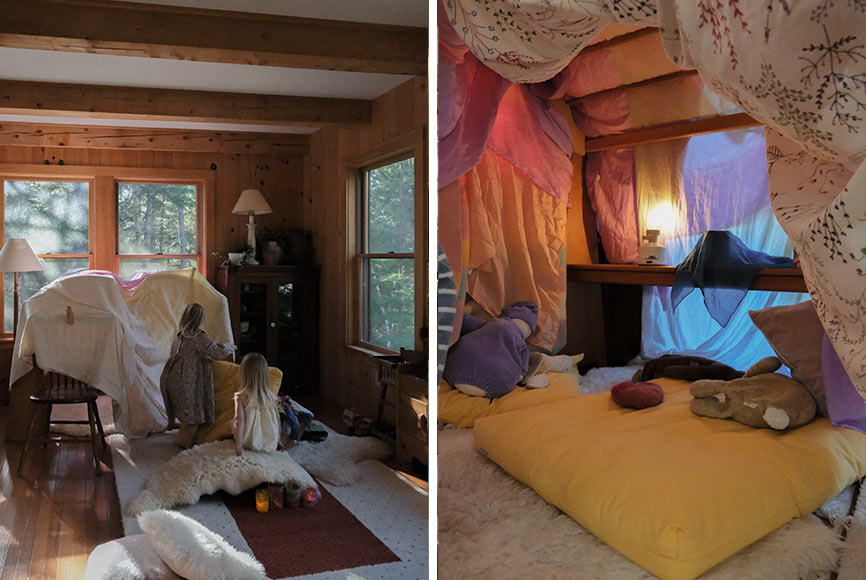
Rather than doing the work for them, offer your child the materials, the space, and the freedom to dream and build — trusting their own wisdom to shape a sturdy roof, a welcoming door, and perhaps a cozy nook within. My children will often ask for my assistance and direct me where to lay a sheet or silk, and instruct me on how they would like their fort constructed. To weave a bit of magic into their creation, we love to add gentle touches like soft lantern light, fairy light strings, books, sheepskin, pillows, and silks for dressing up, inviting imagination to blossom and the spirit of play to unfold.
Shop Jordan’s Essentials for Creating Critical Thinking Activities for Kids
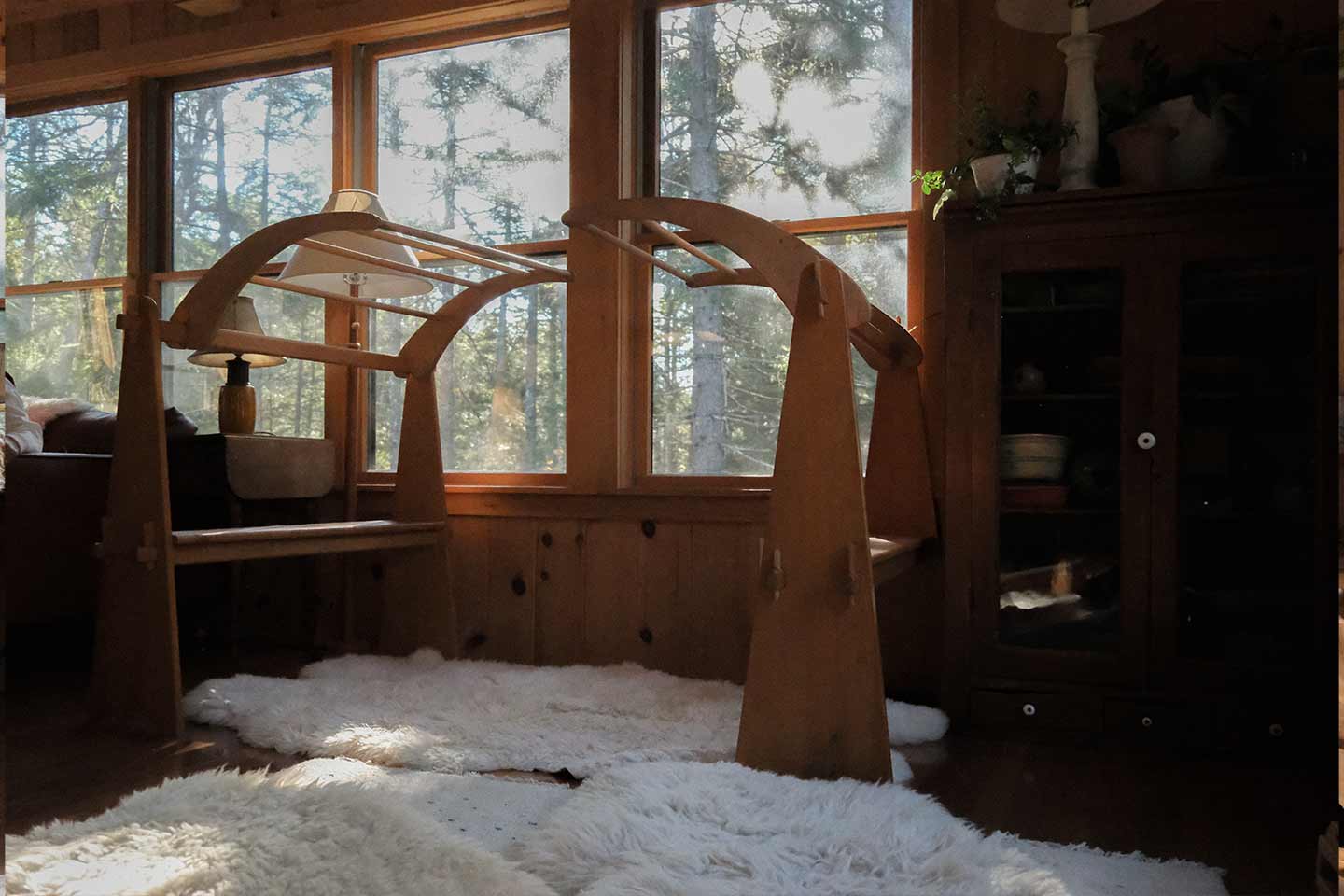
Adapting Activities by Age
Ages 2–4: My littles love gathering the silks, filling the baskets and helping make the inside of the fort cosy and snug. Gathering stuffed animals and pillows for the fort can be a great task for wee ones. It is breathtaking to stand back and observe the young child at work and in play. I am always pleasantly amazed by how capable my little ones are at building a sturdy fort.
Ages 5–7: For older children, encouraging logic puzzles and hands-on problem solving helps develop their critical thinking skills. We can curate the environment and the task for our children so they can receive an ample amount of problem solving and an improved growth mindset. Try encouraging your child to build a fort under the kitchen table using a sheet or invite them into a closet space and challenge them to use the broom and a kitchen chair. Children love these small “challanges” and they will be pleased that you are allowing them to do this work without adult interference. I am always so impressed by my children, their resilience and their creative innovations.
Puzzles and Games
Puzzles are a wonderful way to nurture critical thinking in young children as they invite focus, patience, and problem-solving through hands-on discovery. Each piece encourages observation, spatial awareness and perseverance as children learn to see how parts come together to form a whole.
In our home we choose Wooden Puzzles in particular which beautifully reflect the Waldorf philosophy as they are made from natural materials that engage the senses. Wooden toys over plastic toys offer warmth, texture, and a connection to the living world. These eco-friendly toys not only support sustainable values but also foster a calm, grounded play experience that strengthens both thinking and feeling in the child.
Explore Bella Luna Toys Selection of Wooden Puzzles from Grimm’s Spiel & Holz Collection
Being Together, a Gentle Reminder
Critical thinking is a lifelong skill, but more importantly is the time we spend with our littles. These moments together are what create belonging and purpose which deepen our lives and connect us to one another. Challenging your children to build forts on their own is a wonderful skill and certainly is beneficial for their confidence and critical thinking skills. However, silently observing their play is part of a Waldorf approach to parenting and has many benefits. We can learn about our children thoughtfully by watching their play. When we observe silently, it shows our children that we trust them, we have faith in them and we can hold the space while they make mistakes and solve problems on their own. Taking the time to enter their fort, read a story inside, quietly gaze up in silence at the flickering lights or sing a seasonal song; these are the most meaningful moments we can create for our children. I gently remind myself, and you, to harness these moments and hold them close.
Explore Jordan’s other Waldorf Inspired Activities for Kids!
Fall baking recipes with apples
Coloring activities for children
Shop Baby!
Shop All
Baby
Fawn and Freda
Asta Trouser in Sky
£45

Baby
Fawn and Freda
Bea Dress
£65

Baby
Fawn and Freda
Martha Bloomers
£35

Bottoms
By The Sun
Palma Pants in Sky
£185

Beauty
UMM Skincare
Organic Loose Leaf Tea
£24