Food & Garden
How to Sow Seeds: A Sustainable & Organic Gardening Guide
We ask Taylor’s, our head of partnerships, husband Adrien to walk us through how to sow seeds, using organic and sustainable methods. Adrien himself is an organic farmer and chef, and these are all of his top tips for starting seedlings. We hope this inspires you to grow some of your own this year!
What Does “Sowing Seeds” Mean in Organic Gardening?
In organic gardening, sowing seeds describes the act of placing organically grown seeds in a place they will germinate, this could be directly into the earth outside, or into compost indoors. Getting started does not need to be complicated, sometimes it can be as simple as throwing seeds into your garden and seeing what comes up!
Do organic seeds grow differently than conventional seeds?
No, organic seeds do not grow much differently to conventional seeds, but there is evidence to suggest they may exhibit better adaptability to low input, organic gardening methods. The main difference between organic and conventional seeds is how they are produced, so buying organic seeds helps to support sustainable farming practices!
Should You Start Seeds Indoors or Direct Sow Outdoors?
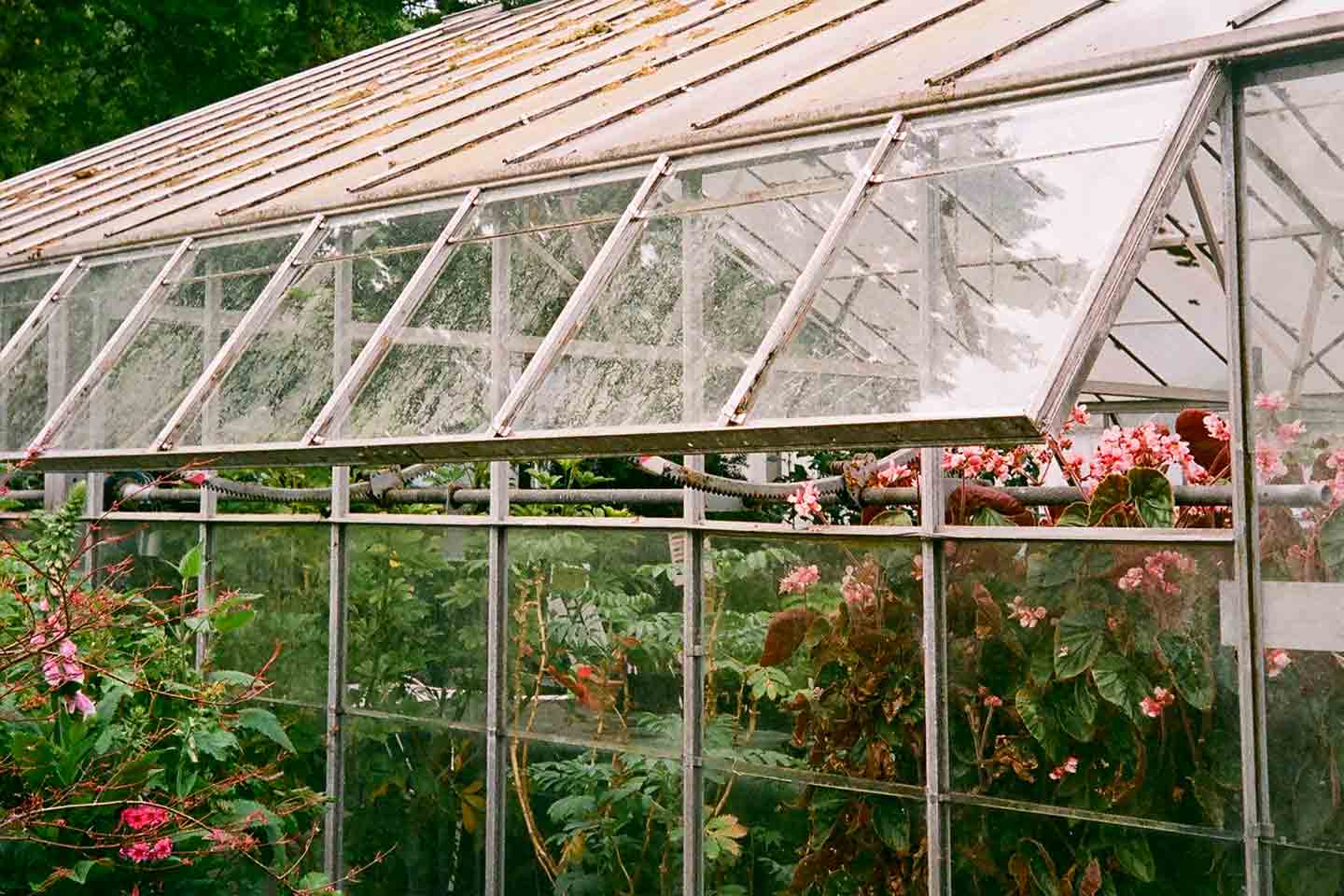
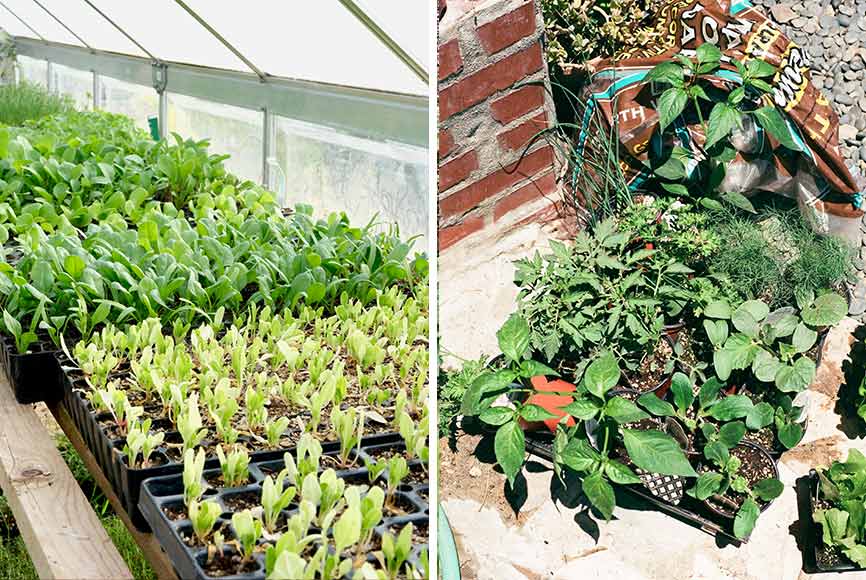
Starting seeds indoors gives the benefit of extending your growing season in a colder climate, as it provides the warmth needed for your seeds to germinate and grow sooner than the temperatures would allow outside. The light of a sunny windowsill or greenhouse allows tender seedlings to flourish whilst the conditions outside are unfavourable. However, starting seeds indoors requires not only a suitable location but also a growing medium, biodegradable pots or soil blocks, making it more resource and time intensive than planting directly outdoors. Indoor seedlings need to be transplanted into the ground and must acclimatise to their new growing conditions, commonly known as ‘transplant shock’. In order to mitigate transplant shock, seedlings should be hardened off to their new conditions gradually and planted out before they become rootbound. Roots should be handled with care and planted gently when the weather is mild and seedlings need to be watered in immediately.
Direct sowing outdoors requires a little patience waiting for soil to warm up, but it usually produces stronger, more drought tolerant plants with healthier root systems. Plants grown from seeds sown directly into the ground are not disturbed in the same way as those that need planting out so do not suffer from ‘transplant shock’. Although most edible crops can be started indoors and transplanted for a successful harvest, root crops, specifically carrots and parsnips, benefit the most from being directly sown.
When Is the Best Time to Sow Seeds Naturally?
The optimal time to start your seeds depends on a variety of factors, such as your location, local microclimate, the growing cycle of the crop you are seeking to cultivate and also the specific variety, some of which are designed to be planted at specific times. For example, some varieties of lettuces do particularly well withstanding frost, whereas others thrive in the heat of summer so variety selection is important. Seed packets from local suppliers should provide helpful advice on timings, but befriending an experienced grower in your area is the best way to learn the optimal time to plant each crop.
As a general rule of thumb, cool season crops can tolerate cold temperatures and light frosts and can be sown in the very early spring indoors, later in the spring outdoors, and again in the summer to grow through the cooler autumn and early winter period. Cool season crops that fit this pattern of having multiple planting times include lettuce, spinach, pak choi and other mustard greens, arugula, cilantro, dill, carrot, beetroot, radish, turnip, spring onion, fennel, kohlrabi, broccoli, cabbage and peas. These crops flower in the heat of summer so they grow in the ‘shoulder’ seasons.
Other cool season crops should be started at the beginning of the growing season and cannot be planted again late in the year for a second harvest later in the year as they have a longer growing cycle. These are often referred to as ‘maincrops’ as they grow during the main part of the season, and include potatoes, onions, leeks, parsnips, Brussel sprouts, parsley, celeriac and celery.
Heat loving crops, like the cucurbits (squash, cucumber and melon), many nightshades (tomato, aubergine, pepper) and legumes (green beans, runner beans, shelling beans) need to be sown outdoors after the last chance of frost, when there is a minimum soil temperature of 15C/59F soil temperature. Otherwise they can be started earlier indoors with as much light as possible and a minimum air temperature of 10C/50F.
How Do You Sow Seeds Organically?
Organic seed sowing requires well sourced, organic seeds that are fresh or have been appropriately stored. Selecting open pollinated seeds grown by local organic farms ensures they will be well adapted to your local climate and allows you to save your own seeds for years to come.
To sow seeds organically, prepare healthy soil using compost or natural amendments, plant seeds at the correct depth, water gently with clean water, and maintain consistent moisture without synthetic fertilizers or chemicals until germination.
How Deep Should You Sow Seeds?
Sowing seeds too deep beneath the surface is one of the most common reasons for poor germination. The general rule for seed planting depth is to plant them as deep as their size. Small seeds that are only a few millimetres in size like carrots, lettuce, brassicas and the like need to be sown very close to the surface, or lightly covered with soil. Medium seeds like peas, chard, spinach can be sown around 1cm below the soil surface. Large seeds like beans, cucumbers, squash and corn that are a few centimetres in size should be planted a few centimetres deep. Celery, celeriac, basil and lettuce require some light to germinate so shouldn’t be surface sown.
Step-by-Step: How to Sow Seeds Sustainably
Choose Organic or Heirloom Seeds
Select organic and preferably open pollinated seeds from local seed producers. These seeds support biodiversity, seed-saving practices, and are adapted to your local environment.
Prepare Living Soil
Whether you’re sowing indoors or direct in the ground, a high quality, living soil or compost will support growth in a way that inert, sterilised composts and soils are unable to. Your growing medium should have a balanced nutrient content, hold moisture but also contain air to allow roots access to essential oxygen for respiration. It is also important when raising seedlings in pots or trays that there is sufficient drainage for excess water.
Sow Seeds with Care
Plant your seeds with care, as deep as they are large. Large seeds should be sown with their pointy end where the ‘radicle’ emerges facing down, and squash seeds should be sown on their side as opposed to flat to discourage rotting.
Cover Lightly and Firm Soil
If covering seeds, lightly clover with a layer of fine soil or compost and gentle press or water to ensure seed to soil contact. A thin layer of vermiculite on the surface of your growing medium can aid in germination success through moisture retention and preventing soil crusting.
Water Gently and Mindfully
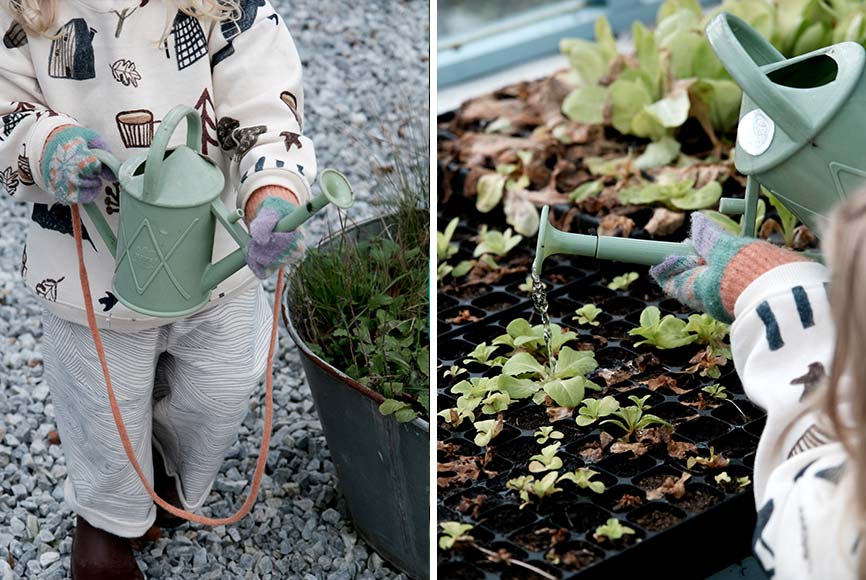
Water gently with a fine spray to prevent displacing your seeds. Consistent watering is essential before the seeds or soil dries out, but overdoing it can cause rot or fungal issues.
How Long Does Organic Seed Germination Take?
Most vegetable seeds will germinate within a week in average conditions, or as little as a few days in an optimal environment. However, some vegetables like asparagus, artichoke, parsley, parsnip, celery and celeriac can take 2-4 weeks to emerge.
Common Organic Seed-Sowing Mistakes
Some of the most common seed sowing mistakes include using old or poorly sourced seeds, or planting them too deep which makes it difficult for the seeds to emerge. Gardeners often struggle with
overwatering, which can rot your seeds before they can germinate, or lead to ‘damping off’ which is a fungal disease caused by cool, wet conditions.
How to Care for Seedlings the Organic Way
Once your seeds have germinated, make sure to provide them with plenty of light and air flow. Keep your growing medium moist with regular, light watering, it should neither dry out nor be oversaturated. Lightly fertilize with diluted seaweed extract after the first few weeks if plants are showing signs of nutrient deficiency.
Frequently Asked Questions About Sowing Seeds Organically
Can I sow seeds without fertilizer?
Yes, you do not need to fertilize when sowing your seeds. Seeds contain the necessary nutrients and energy to sprout and send out their first set of leaves and roots, at which point they begin absorbing nutrients and energy from their environment. Planting outdoors in a healthy, balanced living soil should provide them with all the nutrients they need to thrive and provide a harvest. Similarly, raising plants indoors in a rich, homemade or high quality compost will likely also not need any further amendments. However, some composts are low in nutrients and may need some additional fertilizer if the plants are left in their pots or trays too long, in which case a light watering of seaweed extract will cover the majority of their needs until they are planted out.
Is tap water safe for watering seeds?
Yes, tap water is safe for watering your seeds.
Conclusion: Growing Strong Plants Starts with Sowing Seeds Well
Raising healthy plants for abundant harvests really depends on how you sow your seeds!
Explore Other Information On Growing Your Own!
Our podcast with Charles Dowding